Backyard Walk In Chicken Run
Highlighted under: International Recipe Hub
When I first started raising chickens, I knew I wanted them to have a spacious and secure environment. That’s when the idea of building a Backyard Walk In Chicken Run came to life. This design not only protects my feathered friends from predators but also offers them ample space to roam. With this run, I ensure they can scratch the ground, chase after bugs, and get fresh air—all while being safe. Join me in creating this essential addition to your backyard chicken coop setup.
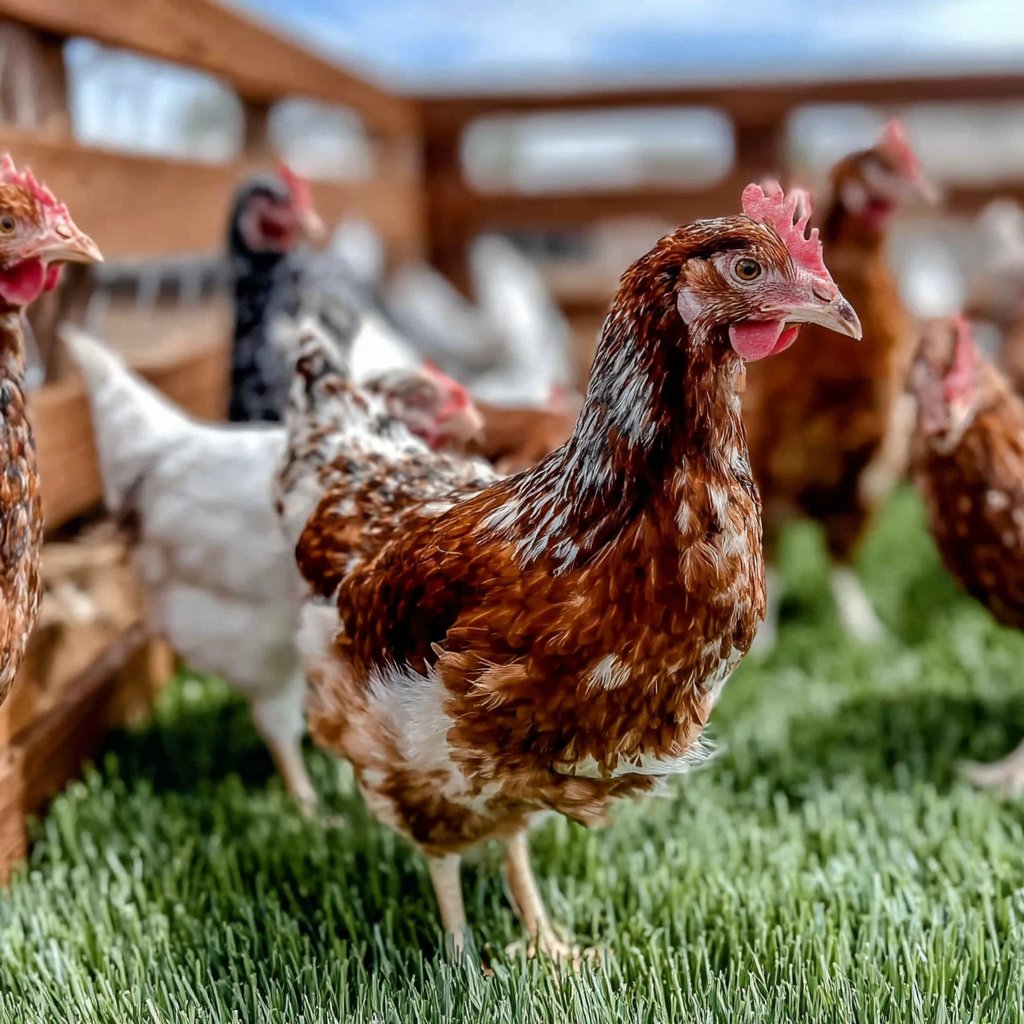
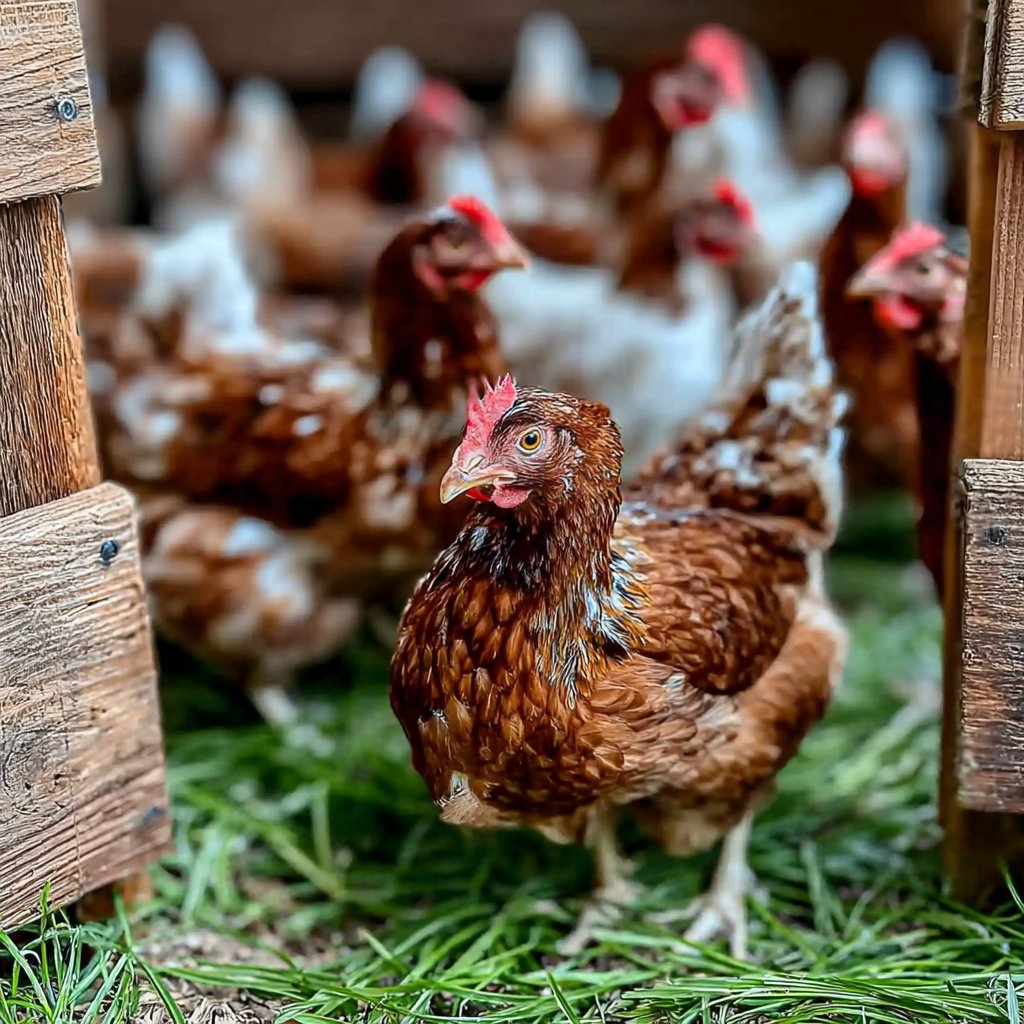
Building a Backyard Walk In Chicken Run was an adventure that transformed my gardening space into a mini-farm. I remember the day I sunk my first post into the ground; it was exhilarating! I wanted to make sure my chickens had enough room to roam while being safe from any threats. The open design allows for easy access, which I love for cleaning and feeding. I also learned that using sturdy materials ensures longevity against the elements.
One of my best tips is to incorporate shade options within the run, such as using tarps or planting a couple of bushes. This not only keeps my chickens cool on hot days but also creates a more natural environment for them. Watching my chickens enjoy their space is the most rewarding part of this project!
Why You'll Love This Chicken Run
- Spacious design allows chickens to roam freely
- Easy access for cleaning and maintenance
- Sturdy structure that withstands various weather conditions
Choosing the Right Location
When selecting the site for your chicken run, consider aspects such as sunlight, wind exposure, and natural barriers. Ideally, you want a location that receives ample sunlight for warmth but also has shaded areas to help your chickens stay cool on hot days. Avoid low spots that could collect water; proper drainage is crucial to keep your chickens dry and healthy. A well-drained site will prevent muddy conditions that can lead to illness.
Additionally, proximity to power sources can be beneficial if you plan to add lighting. Consider placing the chicken run near a water source for easy access. This will make weekly cleaning and routine maintenance more manageable. A flat area is not just convenient; it also helps prevent the structure from becoming unstable over time.
Enhancing Chicken Comfort
Creating a comfortable environment inside the chicken run is vital for your chickens' mental and physical health. Adding perches at varying heights allows them to utilize their natural instincts to roost, providing them with a place to rest away from the ground. Aim for perch heights of 2 to 4 feet, ensuring they are thick enough for comfort but not so wide that they can't grip easily.
Dust baths are another essential feature. Chickens love to dust bathe as a natural way to keep their feathers clean and fend off pests. Designate a section of the chicken run with loose dirt or sand for this purpose. Regularly turning this area will maintain quality and encourage frequent bathing, which keeps your flock happy and healthy.
Maintenance Tips for Longevity
Regular maintenance is key to ensuring your chicken run lasts for years to come. Conduct monthly inspections for wear and tear, checking the integrity of the fencing and the stability of the wooden posts. Look for signs of rust on screws or hinges, especially if you live in areas with high humidity. Tighten any loose screws and replace any damaged parts promptly to keep predators out.
Cleaning the run should be done at least once a week, removing droppings and any leftover food to prevent pest infestations. I recommend using a mild vinegar solution for cleaning surfaces to ensure it’s safe for your chickens. You can also change the bedding regularly to maintain a healthy environment, which will, in turn, help reduce unpleasant odors.
Ingredients
To build your Backyard Walk In Chicken Run, you will need the following materials:
Materials Needed
- Wooden posts
- Wire mesh fencing
- Galvanized screws
- Concrete mix
- Wooden planks
- Tarps for shade (optional)
- Hinges and latches for the door
These materials will help create a secure and comfortable environment for your chickens. Make sure to gather all items before starting your project!
Instructions
Follow these steps to construct your Backyard Walk In Chicken Run:
Prepare the Site
Choose a flat area in your yard that has good drainage. Clear any debris and mark the perimeter of your chicken run.
Install Wooden Posts
Dig holes for your wooden posts at each corner of the perimeter and fill them with concrete to secure them. Allow the concrete to set.
Attach Wire Mesh Fencing
Once the posts are set, attach the wire mesh fencing around the perimeter using galvanized screws. Ensure it's tightly secured to prevent predators from entering.
Create a Roof (Optional)
For added protection, consider installing a roof using wire mesh or wooden slats to keep birds of prey away from your chickens.
Build the Door
Construct a door from wooden planks and attach it with hinges. Add a latch for security.
Add Shade and Enrichment
Include shade options such as tarps or bushes. You can also add perches, dust baths, and toys to enhance their living space.
Now that your Backyard Walk In Chicken Run is complete, let your chickens enjoy their new home!
Pro Tips
- Always monitor your chickens within the run for a few days to ensure they adapt well. Ensure there are no sharp edges or gaps in the fencing that could harm them.
Building a Secure Structure
While assembling the chicken run, be meticulous about the security features. Use heavy-duty wire mesh with a smaller gauge to prevent even the smallest predators from entering. If you're utilizing wooden posts, opt for pressure-treated varieties to enhance their resistance to rot and decay, extending the life of your run significantly. Properly secured corners and overlapping seams will also help reinforce your structure against curious creatures.
Don’t overlook the importance of a secure door. The door should close tightly and latch firmly to prevent escape risks and unauthorized entries. I recommend adding an interior locking mechanism for an extra layer of security, which ensures that your chickens are safe even during the night.
Consider Environmental Adaptations
As weather conditions fluctuate, consider how to adapt your chicken run. In winter, adding extra insulation through tarps up high can help shield your flock from harsh winds while allowing sunlight to warm the area. In summer, ensure there's adequate shade through natural foliage or temporary tarps to protect from the scorching sun. Additionally, installing a misting system can keep your chickens cool during peak heat waves.
Incorporating natural elements plays an important role as well. Planting herbs within the run not only offers shade but also provides additional enrichment for the chickens. They enjoy scratching for bugs hidden in the foliage, and many herbs have beneficial properties that can deter pests naturally, creating a more balanced ecosystem in their environment.
Questions About Recipes
→ How large should I make the chicken run?
A good rule of thumb is 10 square feet per chicken to ensure they have enough space to roam.
→ Can I use any type of fencing?
It's best to use wire mesh fencing that is durable and can deter predators. Chicken wire can be a good option, but consider additional layers for extra safety.
→ Do I need a roof for my chicken run?
While not mandatory, a roof adds extra protection from birds of prey and harsh weather, making it a worthwhile addition.
→ How do I maintain the chicken run?
Regularly check for any damage to the fencing or structure, clean any droppings, and ensure there is fresh bedding and enrichment for the chickens.
Backyard Walk In Chicken Run
Created by: Paige Sullivan
Recipe Type: International Recipe Hub
Skill Level: Intermediate
Final Quantity: 1
What You'll Need
Materials Needed
- Wooden posts
- Wire mesh fencing
- Galvanized screws
- Concrete mix
- Wooden planks
- Tarps for shade (optional)
- Hinges and latches for the door
How-To Steps
Choose a flat area in your yard that has good drainage. Clear any debris and mark the perimeter of your chicken run.
Dig holes for your wooden posts at each corner of the perimeter and fill them with concrete to secure them. Allow the concrete to set.
Once the posts are set, attach the wire mesh fencing around the perimeter using galvanized screws. Ensure it's tightly secured to prevent predators from entering.
For added protection, consider installing a roof using wire mesh or wooden slats to keep birds of prey away from your chickens.
Construct a door from wooden planks and attach it with hinges. Add a latch for security.
Include shade options such as tarps or bushes. You can also add perches, dust baths, and toys to enhance their living space.
Extra Tips
- Always monitor your chickens within the run for a few days to ensure they adapt well. Ensure there are no sharp edges or gaps in the fencing that could harm them.
Nutritional Breakdown (Per Serving)
- Calories: 0 kcal
- Total Fat: 0g
- Saturated Fat: 0g
- Cholesterol: 0mg
- Sodium: 0mg
- Total Carbohydrates: 0g
- Dietary Fiber: 0g
- Sugars: 0g
- Protein: 0g